
A realistic kitchen budget depends on far more than the number of cabinets. Layout changes, cabinetry construction, benchtops, appliances, trades and the condition of the existing home all influence the final figure.
One of the first questions homeowners ask is, “How much should I allow for a kitchen renovation?” There is no single Melbourne price because a cosmetic replacement, a fully custom kitchen and a renovation involving structural or services changes are very different projects. As a broad planning guide, many complete kitchen renovations sit somewhere between the low tens of thousands and well above $50,000, while highly customised or building-intensive projects can go considerably higher.
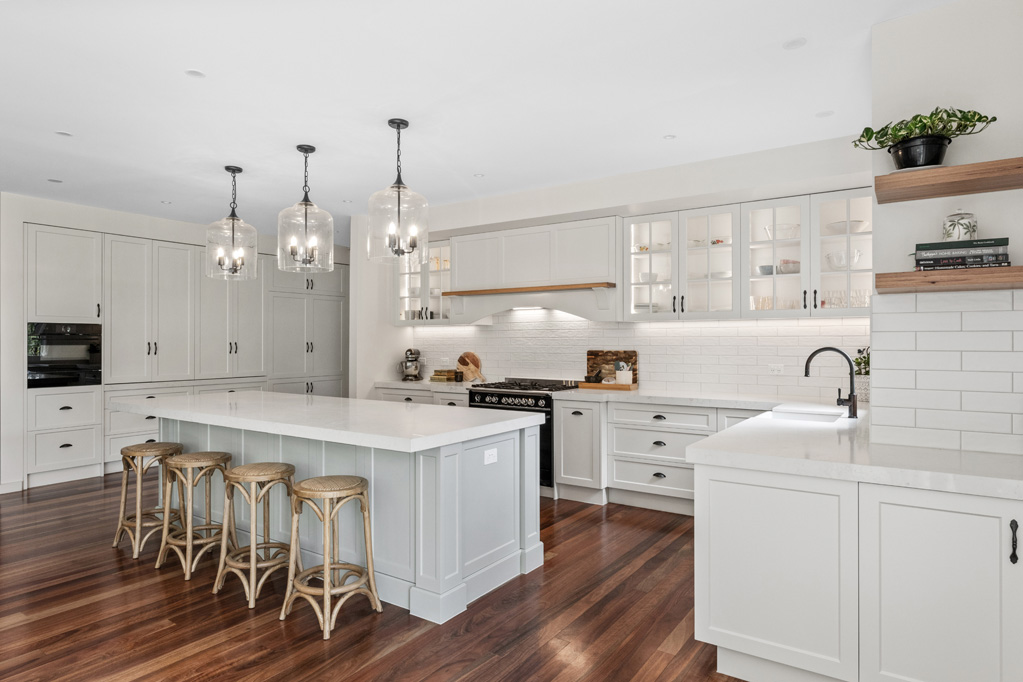
What Does a Kitchen Renovation Cost in Melbourne?
| Project level | Indicative budget | Typical scope |
| Basic / small update | $15,000–$25,000+ | Straightforward layout, limited cabinetry, economical finishes and minimal trade changes. |
| Mid-range renovation | $30,000–$50,000+ | Custom-sized cabinetry, better hardware, stone or porcelain benchtops, trades and coordinated installation. |
| High-end / complex | $50,000–$80,000+ | Premium finishes, extensive custom joinery, appliances, lighting, service relocation and more detailed building work. |
| Architectural / extensive | $80,000+ | Large kitchens, major layout or structural changes, integrated appliances, specialist finishes and broader renovation work. |
These figures are planning ranges only, not a price list. Published Victorian industry figures also show that a fully installed kitchen can readily reach the $40,000 range, which is why the scope behind a quotation matters more than a headline average.
What Affects the Cost of a Kitchen Renovation
1. Kitchen Size and Layout
Kitchen size and layout have a significant impact on the overall renovation cost. A larger kitchen generally requires more cabinetry, benchtop material, finishes and labour. Layout changes can also increase costs where plumbing, electrical services, appliances or walls need to be relocated. Features such as island benches, walk-in pantries, corner cabinetry and additional storage can further affect the scope and complexity of the project.
2. Cabinetry
Cabinetry is usually one of the largest components of the project. Price changes with the number of cabinets, door style, internal construction, finish, drawer systems, tall units, integrated panels and specialist details. A simple melamine kitchen and a profiled 2pack kitchen may look similar on a plan but involve very different manufacturing processes.
3. Benchtops and Splashbacks
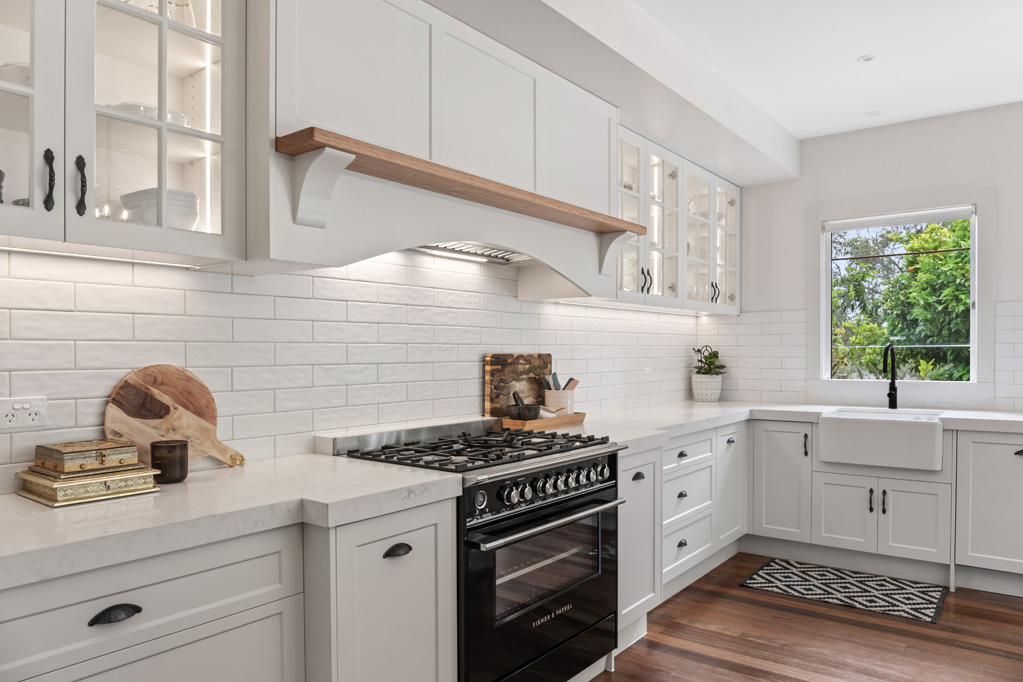
Benchtop and splashback costs vary depending on the material, thickness, edge profile, slab size, cut-outs, waterfall ends and installation requirements. Materials such as porcelain, natural stone, stainless steel, solid surface and laminate vary considerably in price, appearance, durability and maintenance requirements. The right choice will depend on your design, budget and how the space will be used.
4. Appliances
The cost of appliances is often excluded from a cabinetmaker’s quotation. Integrated refrigerators, concealed rangehoods, induction cooktops, steam ovens and specialty appliances can also require additional cabinetry, ventilation or electrical work.
5. Plumbing and electrical work
Keeping the sink, dishwasher and major appliances in similar positions is generally simpler than relocating services. New circuits, switchboard work, extra power points, lighting, gas removal or plumbing relocation can add both cost and coordination.
6. Demolition and site conditions
Older Melbourne homes can reveal uneven walls, old plumbing, damaged floors, asbestos materials or previous alterations once the existing kitchen is removed. A good renovation allowance leaves some contingency for conditions that cannot be fully confirmed before demolition.
7. Building work
Opening walls, modifying windows, changing doors, repairing floors or ceilings and coordinating permits can move a project beyond a straightforward kitchen replacement. In Victoria, domestic building work may also bring contract, registration, insurance and permit requirements depending on the scope and value of the work.
How Should You Set Your Kitchen Renovation Budget
For most owners, the best value comes from spending on the elements that are difficult to change later and simplifying decorative items that can be upgraded more easily.
- Spend on a well-planned layout and accurate cabinetry.
- Use reliable hinges and drawer runners in high-use areas.
- Choose durable door and benchtop materials appropriate to the household.
- Prioritise lighting, power locations and practical storage before decorative accessories.
- Save by keeping the existing plumbing layout where it already works.
- Use premium finishes selectively rather than applying the most expensive material to every surface.
Allow a contingency
For an established home, it is sensible to keep a contingency outside the signed scope. Around 10% is a common planning allowance, and more may be prudent where the building is older or the renovation involves demolition and concealed services. A contingency is not an invitation to overspend. It is a buffer for genuine unknowns or owner-requested changes.
Why Kitchen Renovation Quotes Can Vary
Two quotations can show very different totals while describing very different inclusions. Before comparing the bottom line, check whether each price includes demolition, design, cabinetry, benchtops, splashback, hardware, delivery, installation, plumbing, electrical work, plastering, painting, flooring, permits, rubbish removal and GST. Also check exactly which brands, finishes and hardware systems have been allowed.
A better first question than “What is your price per kitchen?”
A more useful question is: “What scope and finish level can I realistically achieve within my budget?” Starting with a clear budget allows the design to be developed around priorities rather than producing a concept that later needs to be stripped back.
Frequently Asked Questions
Can I renovate a kitchen for under $20,000?
It can be possible for a small or simple project with economical selections and minimal trade work, but it becomes more difficult once custom cabinetry, premium benchtops, multiple trades and significant site work are included.
Does moving plumbing make a big difference?
It can. Relocating sinks, dishwashers or gas services may require access below floors or inside walls and can trigger additional trade and repair work.
Should I buy appliances before the cabinetry is designed?
Choose the appliance models early enough for accurate design, but coordinate ordering and delivery with the project programme. Integrated appliances in particular need exact manufacturer specifications.
Is the cheapest quote usually the best value?
Not necessarily. Compare scope, materials, hardware, installation, warranties, exclusions and project coordination as well as price.
Planning a Kitchen Renovation in Melbourne?
Every kitchen is different. If you are considering a renovation, speak with Eastern Baltic about your ideas, priorities and budget.